How to reduce air pollution become one of the biggest environmental threats in the modern world. From toxic smoke coming out of factories to harmful vehicle emissions, polluted air is affecting human health, climate, and nature. Many people suffer from breathing problems, allergies, asthma, and heart diseases because of poor air quality. The good news is that learning how to reduce air pollution can help create a healthier and safer future for everyone.
Today, many countries are taking strict actions to fight pollution, but individual efforts are equally important. Simple lifestyle changes can make a huge difference in improving air quality and protecting the environment.
Why Is Air Pollution Increasing Rapidly?
The major causes of air pollution include:
- Excessive use of fossil fuels
- Smoke from industries and factories
- Vehicle emissions
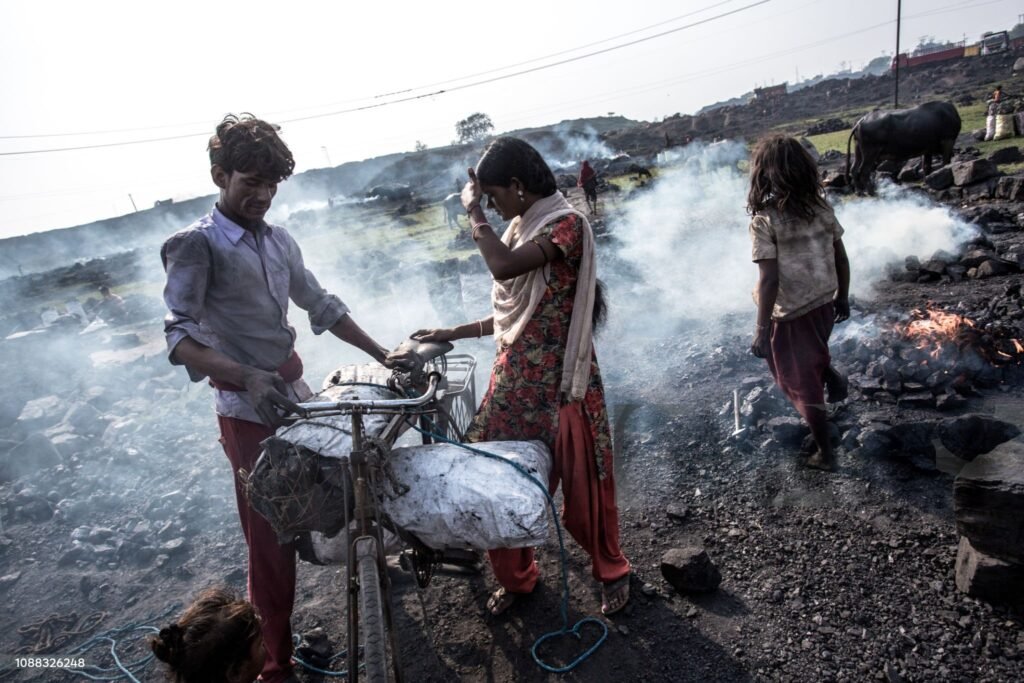
- Burning plastic and garbage
- Deforestation
- Construction dust
Urbanization and industrial growth have increased pollution levels dramatically. Large cities with heavy traffic and industrial activities are facing dangerous air quality conditions every day.
Top 5 Polluted City in the Word
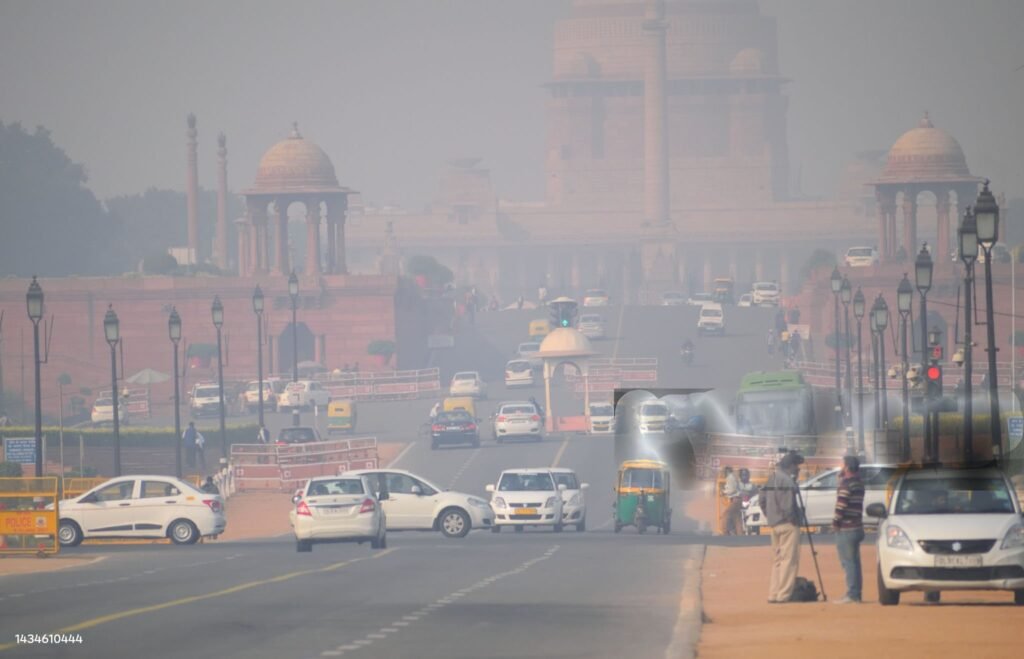
Some cities are suffering from extremely dangerous pollution levels. Here are the top 5 polluted city areas known for poor air quality:
- Delhi, India
- Lahore, Pakistan
- Dhaka, Bangladesh
- Beijing, China
- Kabul, Afghanistan
These cities often experience smog, reduced visibility, and severe health problems among residents. Rising population and uncontrolled industrial activities are major reasons behind this crisis.
Effective Ways on How to Reduce Air Pollution
1. Use Public Transport
One of the easiest ways to reduce pollution is by using buses, metros, and carpooling instead of personal vehicles. Fewer vehicles on the road mean fewer harmful emissions.
2. Plant More Trees
Trees naturally absorb harmful gases and release oxygen. Planting trees is one of the most powerful solutions for reducing air pollution and improving environmental balance.
3. Avoid Burning Waste
Burning garbage, plastic, and leaves releases toxic smoke into the atmosphere. Instead, waste should be recycled or disposed of properly.
4. Save Electricity
Electricity production often depends on coal and fossil fuels. Turning off unnecessary lights, fans, and appliances can help reduce pollution indirectly.
5. Use Eco-Friendly Products
Choose products that produce less smoke and chemicals. Electric vehicles, solar energy, and reusable items are excellent alternatives for a cleaner future.
How to Reduce Air Pollution at Home
Many people think pollution only exists outside, but indoor pollution can also be dangerous. Here are some simple home solutions:
- Keep indoor plants like aloe vera and snake plants
- Avoid smoking indoors
- Use natural cleaning products
- Ensure proper ventilation
- Reduce use of aerosol sprays
These small changes can significantly improve indoor air quality and protect your family’s health.
Role of Industries in Controlling Pollution
Industries are among the biggest contributors to pollution. Governments must enforce strict environmental laws to control industrial emissions. Companies should install air filters, use clean energy sources, and adopt green technologies.
Industrial responsibility is essential if we truly want to understand how to reduce air pollution on a global scale.
Importance of Public Awareness
Public awareness campaigns can encourage people to take pollution seriously. Schools, colleges, and social media platforms should educate people about the harmful effects of polluted air and the importance of sustainable living.
When communities work together, positive environmental changes happen faster.
Conclusion
The fight against air pollution is not just the government’s responsibility — it is everyone’s duty. By understanding how to reduce air pollution, adopting eco-friendly habits, and spreading awareness, we can create cleaner and healthier cities for future generations.
The condition of the top 5 polluted city regions is a warning sign for the entire world. If action is delayed, pollution will continue to damage human health and the environment. Every small step matters, and together we can build a pollution-free future.